
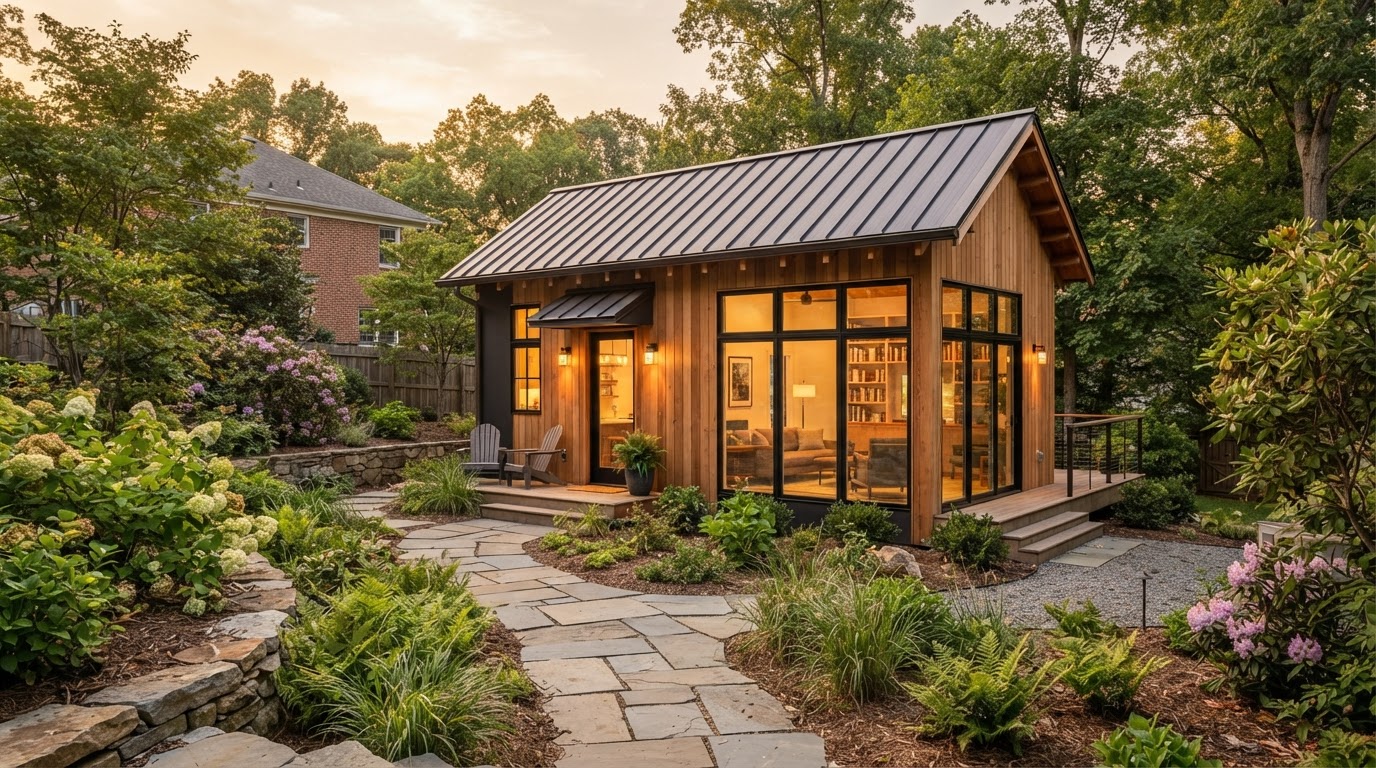
Maryland ADU Law 2026 — Homeowner Guide
Maryland does not impose a single statewide ADU rule that overrides your county or city. Accessory dwelling units in Maryland are governed by a combination of state building code and local zoning, permitting, and use rules set by your county and municipality. Before planning an ADU, a Maryland homeowner must confirm which jurisdiction controls the property and what that jurisdiction currently allows.
This guide explains how state and local authority interact, what every homeowner should confirm, and where to verify current 2026 requirements before design or construction begins.
Tell Us About Your Property
Request an ADU, in-law suite, garage or basement conversion feasibility evaluation.
How Maryland ADU Regulation Actually Works
An ADU in Maryland sits at the intersection of two separate regulatory systems. Understanding the difference is the first step to planning a project that can actually be approved.
State Building Code
Maryland adopts a statewide building code that governs how structures are constructed — foundations, framing, egress, electrical, plumbing, energy, and fire safety. The building code applies regardless of county and is enforced through local permit inspections. It tells you how an ADU must be built, not whether you may build one.
Local Zoning and Use Rules
Whether an ADU is allowed at all — its type, size, height, setbacks, parking, owner-occupancy, and rental use — is set by the county and, in some cases, the city. Prince George's County, Anne Arundel County, and Howard County each maintain their own zoning ordinances. State law does not erase these local requirements.
County vs City Authority
Some Maryland municipalities administer their own permitting and zoning; others defer to the county. A property inside an incorporated city may follow city rules even when the surrounding county has different standards. The controlling jurisdiction depends on the property's exact location, not its mailing address.
Building Code vs Zoning
Zoning answers 'may I build this here?' Building code answers 'how must this be built?' A project can meet building code entirely and still be prohibited by zoning — or permitted by zoning and held up by a building-code issue such as egress or fire separation. Both must be satisfied.
What Maryland Homeowners Should Confirm Before Planning an ADU
Before investing in design or construction, confirm the items below for your specific property. Each one can change what is possible.
Confirm whether your property is regulated by the county or by an incorporated city. This determines which zoning ordinance and permit office apply.
Confirm the lot is in a zoning district that allows an ADU and that lot size, frontage, or existing structures do not disqualify the property.
Confirm which ADU types are recognized — detached, attached, interior, garage conversion, basement — because not all jurisdictions allow every type.
Confirm any size, height, and setback parameters that apply. These shape where an ADU can sit and how large it can be.
Confirm water, sewer or septic, and electrical service requirements. Detached ADUs often trigger separate utility review.
Confirm entrance and parking requirements where applicable. Some jurisdictions require a dedicated entrance or parking space.
Confirm the local permit path — which drawings, reviews, and inspections are required and in what order.
Confirm any owner-occupancy or rental restrictions. Building an ADU does not automatically make it a legal rental.
A Homeowner's ADU Planning Sequence
This is a general planning sequence, not a legal procedure. The exact order depends on your jurisdiction and project.
- 01
Confirm Jurisdiction
Identify whether the county or a city regulates your property and which office handles ADU permits.
- 02
Review Zoning Eligibility
Confirm the property's zoning district allows the ADU type you have in mind and check size, height, and setback parameters.
- 03
Evaluate the Property
Assess the lot, existing structures, utilities, and access to see what the property can physically support.
- 04
Develop Design
Create plans that fit both the zoning parameters and the building code, including egress and fire safety.
- 05
Prepare Permit Documents
Assemble the drawings, engineering, and forms the jurisdiction requires for submission.
- 06
Submit and Respond
File the application, respond to review comments, and receive required approval before any construction begins.
Why Local Rules Still Matter in 2026
Maryland homeowners sometimes assume a statewide ADU law removes local barriers. It does not. Even where state policy encourages accessory housing, the authority to approve a specific ADU on a specific lot rests with the local jurisdiction. A Bowie property in Prince George's County follows county zoning; a property in an incorporated city may follow city rules.
Rules also change. A parameter that applied last year may have been amended, and a 2026 update can alter size, parking, owner-occupancy, or rental provisions. Confirming current requirements with the controlling jurisdiction — not relying on a neighbor's experience or an outdated summary — is the only reliable way to plan.
This page is a planning resource, not legal advice. Property owners should confirm legal, tax, financing, insurance, or rental implications with the appropriate qualified professional and verify current requirements directly with the controlling jurisdiction.
RELATED ADU GUIDES
Questions Homeowners Ask
Confirm What Your Property Allows Before You Build
Maryland ADU law starts with your jurisdiction and your lot. A property-specific evaluation confirms zoning eligibility, building-code requirements, and a realistic path forward before you invest in design or construction.
Related ADU & Suite Services
FEASIBILITY • DESIGN • ENGINEERING • PERMITS • CONSTRUCTION
Request Your Project Evaluation
Share your property and project goals. We'll review feasibility, structure, utilities, and permitting for your Bowie-area property.
Tell Us About Your Property
Request an ADU, in-law suite, garage or basement conversion feasibility evaluation.