
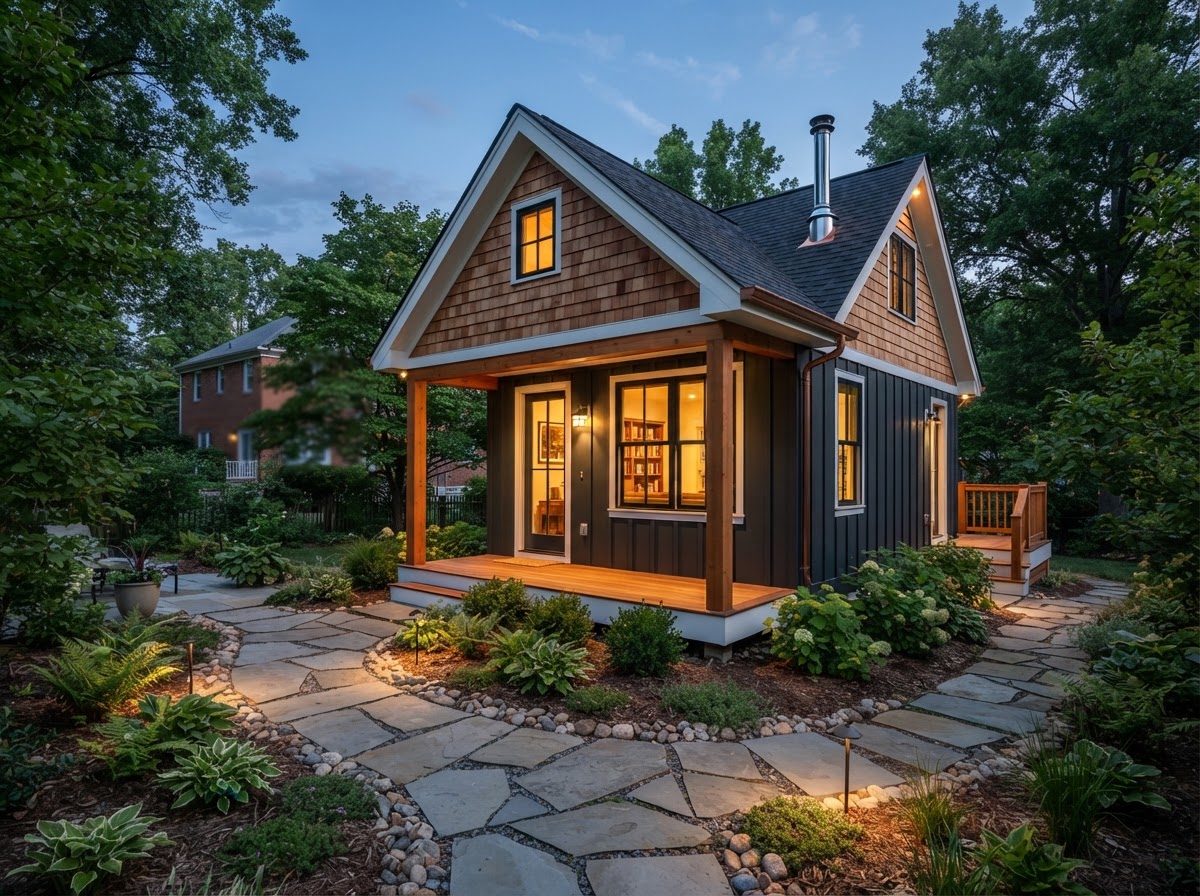
Prince George's County ADU Rules 2026
Prince George's County regulates ADUs through its own zoning ordinance, which governs whether an accessory dwelling unit is allowed, what types are recognized, and the size, height, setback, parking, owner-occupancy, and rental parameters that apply. Exact current numbers should be confirmed with the county for 2026, because requirements change and this page does not state specific dimensions or limits.
This guide frames the questions a Bowie-area homeowner should confirm with Prince George's County before finalizing ADU plans — without inventing exact rules that may have changed.
Tell Us About Your Property
Request an ADU, in-law suite, garage or basement conversion feasibility evaluation.
Rules That Can Affect Your ADU Design
Several categories of county rules shape what an ADU can look like and where it can sit. Each one can change the design before construction begins.
ADU Eligibility
Not every lot in Prince George's County is eligible for an ADU. Eligibility depends on the zoning district, lot size, existing structures, and whether the property already has an accessory unit. Confirm eligibility for your specific parcel before planning.
Detached vs Attached Units
The county may treat detached, attached, and interior ADUs differently. A detached backyard unit, a garage conversion, and a basement apartment can each carry distinct requirements for setbacks, utilities, and access. The unit type drives much of the review.
Size, Height, and Setbacks
Size limits, height limits, and setback requirements constrain the footprint and placement of an ADU. These parameters determine whether a one-story or two-story design fits and where on the lot the unit can sit. Confirm current values with the county.
Owner-Occupancy and Rental
Owner-occupancy and rental provisions are separate from construction approval. Building a permitted ADU does not automatically make it a legal rental. Rental use may depend on owner-occupancy status, licensing, and current county rules.
How County Rules Affect Detached ADUs vs Conversions
The same county rules apply differently depending on whether you are building new or converting existing space.
New detached units typically face the fullest set of setback, height, utility, and site-planning review because they add a new structure to the lot.
Converting an existing garage may reduce new-construction review but raises structural, fire-separation, and change-of-use questions tied to the existing structure.
Basement conversions focus on egress, ceiling height, moisture, and whether the space qualifies as a legal apartment rather than finished basement.
Attached ADU additions must integrate with the existing home's structure, roofline, and utilities, and may trigger different setback treatment than a detached unit.
Parking and entrance requirements can differ by unit type and may influence whether a conversion or new build is the more feasible path.
Detached units often require separate or extended utility runs; conversions may reuse existing service but still need capacity review.
Questions to Confirm Before Finalizing Plans
Before committing to a design, confirm these with Prince George's County for your property.
- 01
Confirm Zoning District
Identify your parcel's zoning district and whether it permits the ADU type you want.
- 02
Verify Eligibility
Confirm lot size, existing structures, and any prior accessory units do not disqualify the property.
- 03
Check Size and Setbacks
Confirm current size, height, and setback parameters that bound the design.
- 04
Review Utility Requirements
Confirm water, sewer, and electrical requirements for the unit type and location.
- 05
Confirm Use Rules
Confirm any owner-occupancy or rental provisions that affect how the unit may be used.
- 06
Plan the Permit Path
Confirm which drawings, reviews, and inspections the county requires for your project.
Bowie Homeowners and County Rules
Bowie sits within Prince George's County, so ADU projects on Bowie properties follow county zoning and permitting. Some areas may also be subject to city or HOA review, which is separate from county approval and does not replace it.
Because county requirements change, a summary from even a year ago may no longer be accurate. The reliable approach is to confirm current 2026 parameters with the county for your specific parcel before finalizing design or budget.
This page is a planning resource, not legal advice. Confirm legal, tax, and rental implications with the appropriate qualified professional, and verify current requirements directly with Prince George's County.
RELATED ADU GUIDES
Questions Homeowners Ask
Confirm County Requirements for Your Property
Prince George's County rules shape what your Bowie property can support. A zoning and code review confirms eligibility, parameters, and a realistic permit path before you invest in design.
Related ADU & Suite Services
FEASIBILITY • DESIGN • ENGINEERING • PERMITS • CONSTRUCTION
Request Your Project Evaluation
Share your property and project goals. We'll review feasibility, structure, utilities, and permitting for your Bowie-area property.
Tell Us About Your Property
Request an ADU, in-law suite, garage or basement conversion feasibility evaluation.