Accessory Apartment Legalization Bowie MD
An existing accessory apartment that was built without permits, or that no longer meets current code, may need legalization work before it can be legally used, sold, or rented. Legalization is a property-specific process, not a formality.
Legalization means verifying what exists, comparing it to current code, and completing the corrections, permits, and licensing required to bring the unit into compliance. The path depends on the unit, the property, and the jurisdiction.
Tell Us About Your Property
Request an ADU, in-law suite, garage or basement conversion feasibility evaluation.
What Legalization Involves
Legalizing an accessory apartment is not the same as building one. It starts with what already exists and works toward compliance.
Permit History Review
The first step is checking permit records to determine whether the unit was ever permitted, what approvals exist, and what the current legal status is. An unpermitted unit may need corrections or, in some cases, removal.
Code-Compliance Gap Review
The existing unit is compared to current code for egress, fire separation, ceiling height, utilities, and life safety. Gaps define the scope of legalization work.
Corrections and Permits
Where the unit falls short, corrections are designed, permitted, and built. The goal is a unit that meets current code and can pass final inspection.
Rental Licensing
Rental licensing is often a separate process from the building permit. Whether the unit can be rented depends on owner-occupancy rules and local licensing requirements.
Common Legalization Scenarios
Legalization needs vary by how the unit was built and how it has been used.
A garage, basement, or interior space converted to living space without permits may need egress, fire-separation, and utility corrections. See Unpermitted ADU Legalization & Code Compliance.
A unit permitted under older code may no longer meet current egress, fire-separation, or life-safety requirements. A gap review identifies what must be corrected.
A basement or interior unit without compliant egress is a common legalization issue. See Basement ADU Feasibility & Egress Evaluation.
A garage conversion or attached unit without rated separation between the unit and the main house is a common code gap. See Garage Conversion Fire-Separation Upgrades.
Inadequate electrical service, missing smoke detection, or non-compliant plumbing may need correction before the unit can be legalized. See ADU Electrical Service Upgrades.
A unit rented without the required license may need legalization and licensing before it can continue to be rented. Rental use without a license can carry consequences.
The Legalization Path
Legalization moves from documenting what exists through gap review and corrections to permits and licensing.
- 01
Permit History
Research permit records to establish the unit's legal status and what approvals, if any, exist.
- 02
Gap Review
Compare the existing unit to current code for egress, fire separation, utilities, and life safety.
- 03
Corrections Design
Design the corrections needed to bring the unit into compliance with current code.
- 04
Permits
Prepare permit drawings for the corrections and submit for review.
- 05
Construction
Build the corrections — egress, fire separation, utilities, life-safety, and finishes.
- 06
Licensing
Final inspection and any rental licensing required before the unit can be legally used or rented.
Start by discussing the property, the existing structures, and the living space you want to create near Bowie.
Legalization in Bowie
An existing accessory apartment is not automatically legal because it exists, because it has been used for years, or because a previous owner built it. Legal status depends on permits and current code compliance, not on history of use.
Legalization is a property-specific process. The corrections, permits, and licensing required depend on what exists, what code now requires, and what the jurisdiction allows. There is no universal legalization path.
This page does not provide legal advice. Property owners should confirm legal, tax, insurance, and rental implications with the appropriate qualified professional.
Questions Bowie Homeowners Ask
Accessory Apartment Legalization — Related Services
ADU & In-Law Suite Services Near Bowie
Review Your Existing Unit
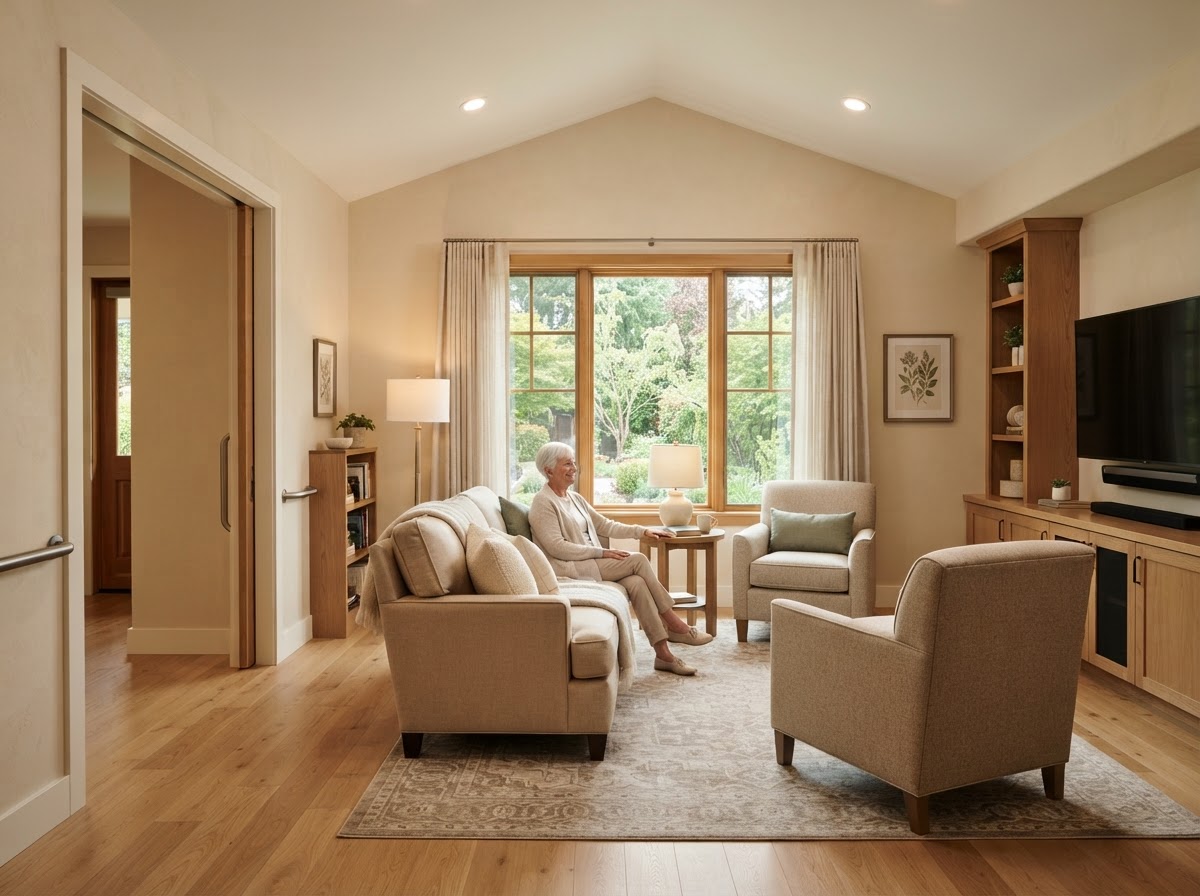
Legalization starts with what already exists. A permit-history and code-gap review establishes what the unit needs to reach compliance and what rental licensing may apply.
ADU • IN-LAW SUITE • GARAGE CONVERSION • BASEMENT • DESIGN-BUILD
Request Your Project Evaluation
Share your property and project goals. We'll review feasibility, structure, utilities, and permitting for your Bowie-area property.
Tell Us About Your Property
Request an ADU, in-law suite, garage or basement conversion feasibility evaluation.